
Working with Volunteers
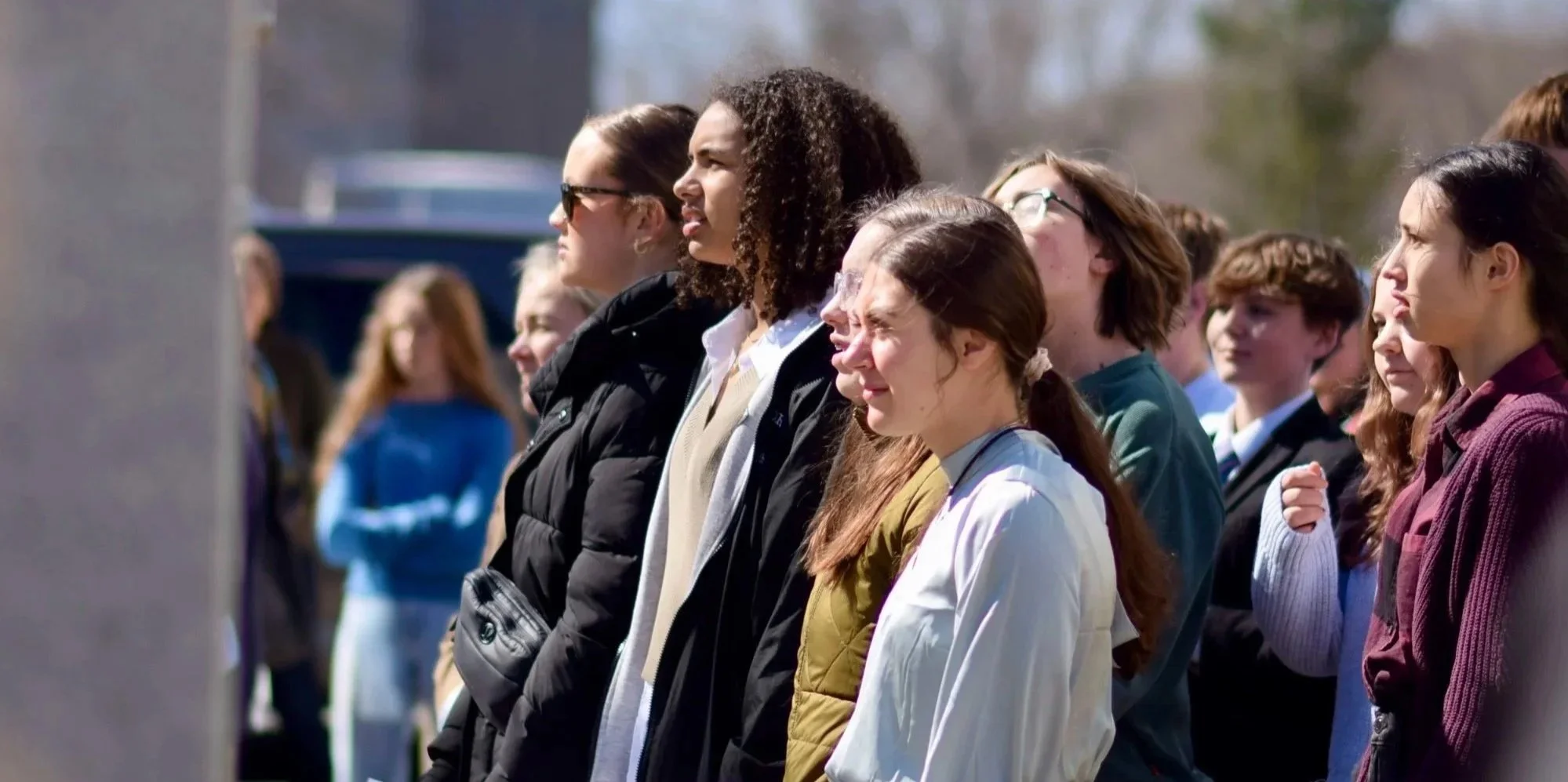
Everyone needs support, and engaging community members as campaign volunteers is a great way to build a reputation and ensure supporters. Volunteers play an important role in distributing campaign materials, canvassing, and other important activities to spread the word about your candidacy.
Before those activities can begin, however, volunteers must be recruited. This can be done through general calls-to-action on your social media, email lists, and among your peers. We’ll explore these in this section.
Created by NGP VAN, the leading technology and software provider for Democratic campaigns, this article describes how to manage, recruit, engage, and retain volunteers.
Student Organizing
High school and college campuses are full of passionate, politically excited young people (like you!) who want to see you succeed as a candidate. Engaging students is an excellent way to tap into a large volunteer pool. Often, students have requirements from their school, classes, or majors to do community service hours or internships. You can present your candidacy as an educational and resumé-building opportunity for students.
One on One Meetings
While some individuals may be motivated to volunteer by a non-specific call-to-action like an Instagram post, some volunteers may need to be recruited through one-on-one conversations. This recruitment method is more time intensive but more effective—one-on-ones are a great way to build relationships and connect with your constituents, leading to volunteers who are more committed and engaged with your campaign.
This article discusses running general volunteer meetings; however, the same concepts apply to more focused one-on-ones with individuals or potential volunteers.
General Resources
In this video, Michigan League of Conservation Voters breaks down the volunteer recruitment process, starting with looking at different pools of potential volunteers and getting to know them, and then making a specific request and setting them up for success.
Written by the Harvard Business Review, this article dives deeper into one-on-ones, providing sample questions that could be adapted for a campaign context.
This video provides tips for having successful one-on-one meetings.
Many campaigns benefit from volunteers who serve as “field organizers.” These individuals may host events, table for the campaign, pass out stickers and signs, and more. Field organizers are especially crucial for campaigns in a large area. For example, if you were hoping to become the mayor of Portland, you might have field organizers working in different neighborhoods.
Also by NGP VAN, this guide goes over how different field organizing situations should be used, such as for Get Out The Vote (GOTV) efforts, including a visual graphic to show the target voter group that should be the focus of field organizing efforts.
How do you get endorsed and what happens when you do? In this guide, NGP VAN answers your questions about endorsements, including how to ask for them.
This article talks about examples of union support aiding political campaigns. These examples are New York focused, but the general ideas are applicable to Maine.
This article goes over the purpose and strategy of using political mailers to supplement, or replace, in-person canvassing conversations. It also discusses when and how to start sending them out.
This article focuses on how to leverage text messages for political advertising purposes.
This toolkit by the National Democratic Training Committee includes a phone banking checklist so that you can run a successful and efficient phonebank.
This is a set of guidelines all campaigners and volunteers should follow while canvassing in person. While the rules may seem common sense, it would be a great sheet to print out for all volunteers to have on hand while canvassing so that they don’t forget.
This podcast provides insight into the personal challenges of being a volunteer of color. The podcast’s focus is on the experiences of Black, Asian, and other racial minorities while volunteering with nonprofits in the United Kingdom.
This short video from the National Democratic Training Committee (NDTC) explains the dos and don’ts of field work, and how building authentic relationships with your field organizers is key. You can also check out the NDTC’s Intro to Field Course.
Getting Endorsements
When considering whether to endorse you, a potential endorser wants to see that you intend to make your policy platform a reality if elected. They want to see that you trust in them as they trust in you, so a great way to cement an endorsement is to participate in their organization’s events and have conversations with them about their priorities. Read more about organizations that endorse here.
Maine newspapers will occasionally announce their support for candidates, and these announcements can hold a lot of influence. This article discusses how a candidate can approach a newspaper’s editorial board to seek an endorsement.
This guide will help you identify whether or not building a coalition is necessary for your campaign. It includes questions to guide your thinking to determine what your coalition would look like and if it’s a good fit for you.
A comprehensive Frequently-Asked-Questions webpage that answers queries such as: What is a labor union? Who is in charge of a union? What are public and private unions? Information specific to Maine unions can be found in this directory.
This article discusses the benefits of canvassing and how it is under-used in American politics.
The article argues that the real efficiency of text campaigns is not in converting people who disagree, but in mobilizing people who already agree. This increases voter turnout at the polls.
This resource outlines the rights of canvassers, both in-person and over the phone, as defined by federal law and the Supreme Court. Knowing your rights is key to the safety and efficacy of a canvassing effort. An essential point in the article is that political canvassing is not soliciting, so canvassers are allowed on public and private properties even if they have “no soliciting” signs.
It’s important to be intentional and strategic with your endorsements. This guide provides examples of good endorsers and explains how the right ones can help your campaign.
Coalition Spaces
As a campaign network grows and coalesces in support of you and your policy platforms, it makes sense to form a coalition of your own composed of local organizations.
Working with Labor Groups and Unions
The endorsements of labor groups and unions are meaningful but can be difficult to create. It is important to re-engage and return to conversations with these groups after your initial conversation to get their endorsements.
This short clip from NPR features an interview with a union leader, providing a different perspective on union involvement in politics. The interview emphasizes how there is more value when unions endorse local races.
Stakeholder Engagement
An elected official is a public servant: our leaders work for us. This means that when building a policy platform, the issues highlighted should be the ones that matter to your community, and one of the best ways to learn which ones is to listen to key community members, or stakeholders. This can be through one-on-on conversations or community meetings.
Turnout and Goal Setting
This resource defines relational organizing, goes over turnout goal setting, and includes helpful visuals and fillable tables to determine your ideal event turnout, and how to achieve it. This is a great exercise to understand your volunteer network and how to mobilize it.
Canvassing
Canvassing involves having contact with as many constituents as possible, as many times as possible. This can include mailing campaign materials to their homes or emails, knocking on doors, tabling at local events such as farmer’s markets, and more. Keep in mind, Maine has specific rules around the “publication or distribution of political communications,” including the pamphlets, signs, mailers, or other materials used when canvassing or other campaign activities. You can read the full law text at this link.
This article gives real-life examples and the history of “deep canvassing,” or engaging with voters in meaningful conversations about their concerns and lives. The goal is not only to influence votes but to connect with people.
This guide give you all the tools you need for in-person canvass work: a list of materials, a sample event agenda, tips for engaging with voters, and scripts for a variety of canvassing situations.
Phonebanking
Every election cycle, your phone is likely flooded with texts: “Do you have a plan to vote? Who do you support?” You may not respond to any of these texts, but receiving them subconsciously reinforces ideas of voting and who to vote for. In this way, text and phone banking is very effective, even with low response rates. This strategy is better suited for a race where the elected position represents a wide geographic area, such as a Legislative seat. In a smaller community, such as when running for Town Council of a little town, it may be a better use of time to knock on doors and canvass.
Maine rules around the “publication or distribution of political communications” also includes telephone calls and texts to voters. Read the full law text at this link.
This guide is a great overview about how SMS campaigning works. It also talks about how texts are important for campaign updates like new endorsements, speech summaries, and debate schedules.
Also, by the National Democratic Training Committee, this guide will help you create phonebanking scripts for people across the political spectrum so that volunteers are prepared for any scenario.
Safety, Equity, and Accessibility
Individual volunteers have different skill sets, needs, and comfort levels with these activities. Proper canvassing and phone-banking training should be provided, and there are always ways for people to help out (such as creating social media posts or writing email newsletters) if they cannot, for any reason, be out “in the field.”
This resource is about including people with disabilities in campaigns as volunteers. It goes over what accommodations can be provided, how disability rights and accessibility justice can be incorporated into your policy platform, and how to uplift the voices of those with disabilities in your campaign.